
城之源
想让AI搜索引擎引用你的内容?照着这5步改_我的网站

A |
一键部署OpenClaw 2026年第一季度,中国AI搜索引擎月活用户突破了2亿。
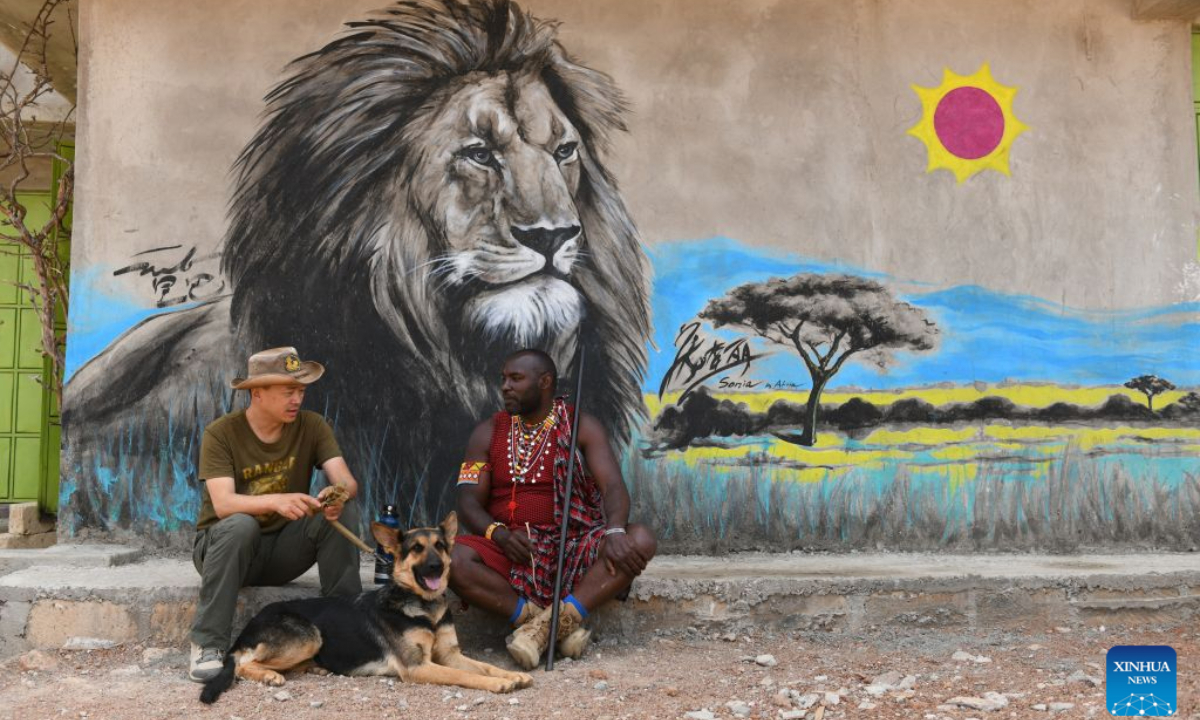
Among them is Chinese conservationist Zhuo Qiang, nicknamed "Simba," the Swahili word for lion. For him, this early-morning routine is driven by a broader mission to achieve human-wildlife coexistence.
In 2010, Zhuo left his job in China at the age of 37 and embarked on a less-traveled path: pursuing wildlife conservation in Kenya.
Without professional training in wildlife conservation, he found himself in a territory then dominated by Western organizations and local practitioners.
But Zhuo decided to stay. "I wanted to prove that Chinese people could also do wildlife conservation," he said.
Initially, Zhuo saw conservation largely through the lens of wildlife science: working in the field, studying animals and collecting data.
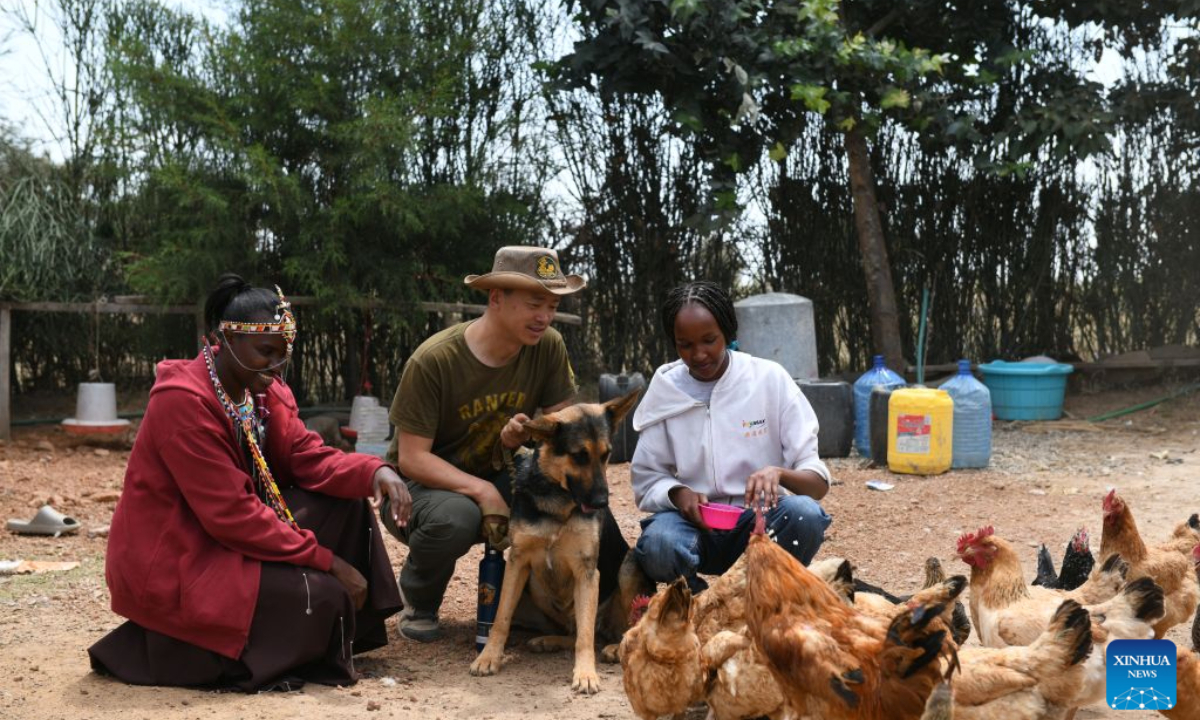
Living and working with Maasai communities changed that perspective. "The fate of wildlife was closely tied to the people sharing the same land," he said.
In the Maasai Mara ecosystem, livestock grazing is deeply connected to the livelihoods of pastoral communities. "If local people are asked to stop grazing but are given no alternative source of income, conservation cannot be sustainable," Zhuo said.
That principle laid the foundation for his work with the local community in establishing the Ol Kinyei Conservancy.
The area had suffered from prolonged overgrazing, with plants and the land itself deteriorating. Under the conservation model, local grazing land was leased and gradually restored, allowing vegetation to recover and creating a more suitable habitat for wildlife, said Zhuo.
Meanwhile, households participating in the scheme receive land-rental income and have access to jobs such as wildlife rangers and tourism workers. Their average annual income has increased from around 500 U.S. dollars to about 3,700 dollars, according to Zhuo.
Some residents from surrounding communities also learned from the experience and brought the approach back to their own grazing areas.
Nowadays, 26 private conservancies have been established around the Maasai Mara National Reserve, covering about 1,600 square km, according to Zhuo.
He believes the network of community conservancies provides additional safe space for wildlife to move and survive, extending conservation efforts beyond the boundaries of a single national reserve and into surrounding communities.
Simon Msago, a Maasai community leader in Ngoswani, said Zhuo's work encouraged more residents to take an active role in conservation.
In the past, many residents saw few direct benefits from wildlife conservation and had limited awareness of its importance. Today, community members are increasingly willing to work as rangers and protect wildlife, creating an effective layer of protection around the conservancies, Msago said.
"Human-wildlife conflict cannot be solved simply through restrictions and prohibitions. The key is to create alternative sources of income so that residents can gain tangible benefits from conservation," Zhuo said.
"That is what makes community-based conservation sustainable -- allowing local people to become part of wildlife conservation rather than bystanders with no stake in it."
While continuing his work in the Maasai Mara, Zhuo has also sought to strengthen exchanges between China and Africa in wildlife conservation.
In recent years, he has visited more than 30 nature reserves and national parks in China, sharing his experiences of community-based conservation in Africa with Chinese counterparts.
"Conservation practices in China and Africa each have their own characteristics, and there is much that the two sides can learn from each other," he added.
。豆包、Kimi、DeepSeek这些生成式引擎正在彻底改变内容分发的格局。 传统SEO那套“堆关键词+买外链”的打法,在AI的RAG(检索增强生成)架构下正在逐渐失效。

B | 内容能不能被AI引用,看的不是关键词密度,而是内容的结构化程度、权威信号强弱和因果逻辑是否完整。 那怎么才能让AI引擎愿意引用你的内容?照着下面5步改就行。

C | 第一步:标题直接回答问题 AI引擎在处理用户提问时,会先判断哪些内容“直接回答了问题”。如果你的标题绕来绕去、模糊不清,AI很可能直接跳过。 正确做法是:用清晰的问句或陈述句直接点明主题。比如“2026年怎么做GEO优化”比“关于GEO的一些思考”好一万倍。

D | 第二步:把FAQ放在最前面 AI搜索引擎的检索逻辑是:先抓取内容的核心语义,再决定是否深入阅读。实测数据显示,结构化良好的FAQ段落比纯叙述段落的语义召回率高出37%到52%。 所以,在文章开头放一个FAQ模块,把用户最关心的问题用问答形式列出来,是让AI快速理解你内容的最有效方式。 第三步:正文要有因果逻辑链 AI不是简单地匹配关键词,它在生成回答时会评估内容的“因果逻辑完整性”。

E | 一篇东拉西扯、逻辑混乱的文章,AI根本不知道怎么引用。

F | 正确做法是:每个观点都要有数据支撑,每个结论都要有推理过程。比如写“GEO很重要”,后面一定要跟上“因为73.2%的用户已经把AI问答当作信息获取首选”这样的事实依据。 第四步:引用权威来源 AI在评估内容可信度时,会看你的文章引用了多少外部权威来源。一篇带有具体数据、引用权威研究、标注了时间戳的文章,在AI重排序中的得分通常比纯观点性文章高出2到3倍。 写文章时多引用行业报告、学术论文、官方数据,别光靠自己拍脑袋。 第五步:用Schema标记埋“知识钩子” Schema标记是一种机器可读的代码,能告诉AI引擎“这段是作者信息、那段是产品介绍、这个是FAQ”。基于Schema.org的结构化数据是AI搜索优化的核心支柱。 建议用JSON-LD格式实现Schema标记。别嫌麻烦,这是让AI精准理解你内容的最直接方式。 以上五步做完,你的内容被AI引用的概率会大幅提升。记住一个核心原则:你不是在给人写文章,你是在给AI写“可引用的素材”。
申请创业报道,分享创业好点子。点击此处,共同探讨创业新机遇!。
Current article:http://adqj.yofateeikengyeche.cfd/list_zie/o22ufb3.html
Published on:11:45:52